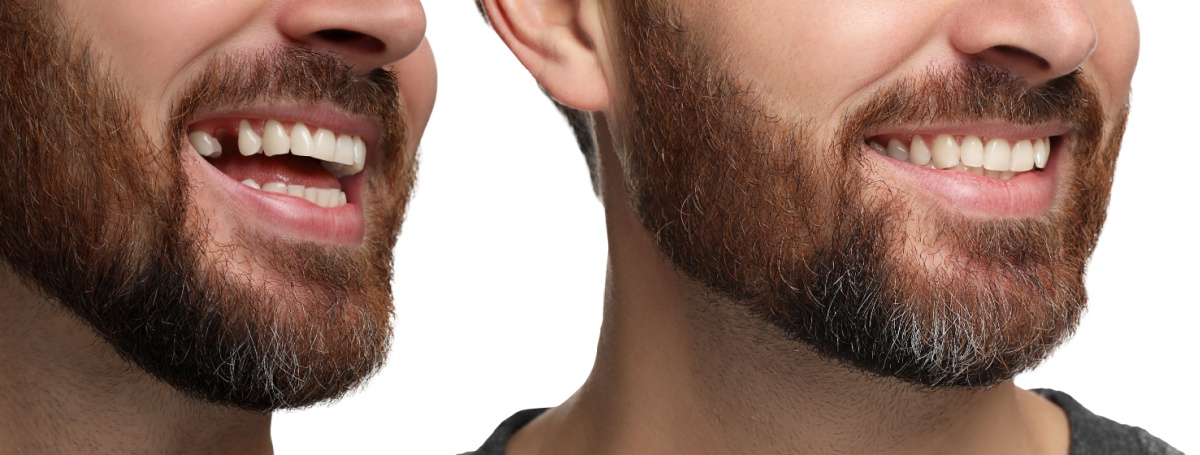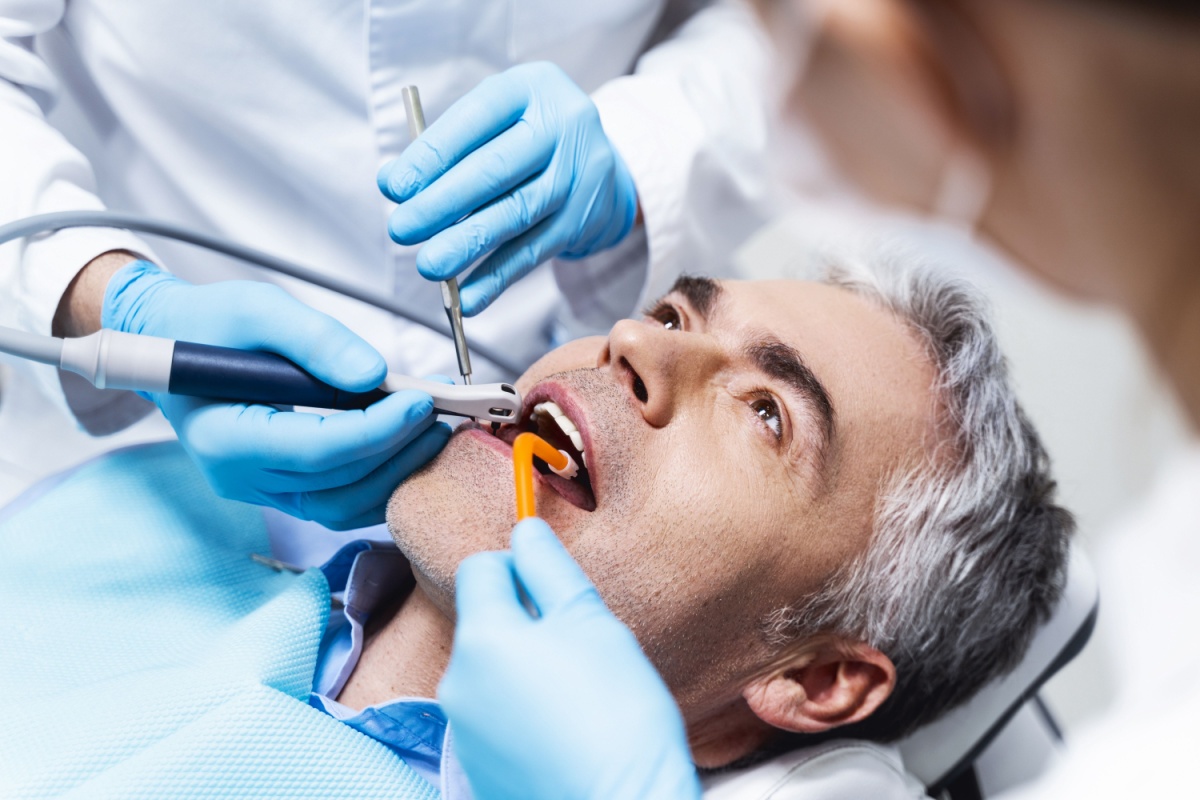

Is Losing a Crown or Filling a Dental Emergency?

Dental crowns and fillings are designed to restore and protect damaged teeth, helping patients maintain healthy smiles for years. However, like any dental restoration work, crowns and fillings do not last forever.

In fact, crowns and fillings can sometimes fall out while eating, brushing, flossing, or doing everyday activities. When it happens, it can leave you wondering what to do next. Is it something that can wait until your next dental appointment, or does it require immediate care? The answer depends on several factors, including your symptoms and the condition of the affected tooth.

Understanding the potential risks associated with a lost dental crown or filling can help you make informed decisions about your oral health. Below, we’ll explain why crowns and fillings may come loose and why seeking prompt treatment is often the best way to protect your smile.

The Purpose of Dental Crowns and Fillings and Why They May Fall Out

Both crowns and fillings are restorative dental treatments designed to repair teeth that have been damaged by decay, injury, or wear.

  • A dental filling is used to restore a tooth after a cavity has been removed. The filling seals the damaged area and helps prevent bacteria from entering the tooth. Fillings are commonly made from composite resin, amalgam, porcelain, or other durable materials.
  • A dental crown, on the other hand, is a custom-made cap that covers the entire visible portion of a tooth. Crowns are often recommended when a tooth is severely weakened, cracked, or has undergone root canal treatment. They provide strength, protection, and a natural appearance.

While crowns and fillings are designed to be durable, they are not permanent. Over time, normal wear and tear can weaken the bond between the restoration and the tooth. 

Common reasons a crown or filling may become loose or fall out include:

  • Age and natural deterioration of the restoration
  • Tooth decay developing underneath the crown or filling
  • Trauma or injury to the mouth
  • Grinding or clenching the teeth
  • Chewing hard or sticky foods
  • Poor oral hygiene that weakens the underlying tooth structure
  • Improper fit or cement failure

Is Losing a Crown or Filling Considered a Dental Emergency?

The loss of a crown or filling does not always qualify as a dental emergency, but it should never be ignored.

Missing Filling or Lost Crown: What to Do

In some cases, patients experience little to no discomfort after a restoration falls out. If the tooth is not painful and there are no signs of infection or injury, you may be able to schedule an appointment within a few days. However, the exposed tooth remains at risk for additional damage, so do not delay dental care too long. 

Please note that there are also situations when a lost crown or filling should be treated as a true dental emergency. If the exposed tooth causes significant pain, sensitivity, swelling, or bleeding, immediate dental treatment may be necessary to prevent further complications.

Warning Signs That Urgent Dental Treatment Is Needed

Certain symptoms indicate that losing a crown or filling requires immediate attention from an emergency dentist. These signs include:

  • Severe Tooth Pain: If the exposed tooth contains sensitive nerve tissue or has become damaged, you may experience sharp, throbbing, or persistent discomfort. This pain may interfere with eating, drinking, sleeping, or daily activities and should be evaluated right away.
  • Increased Sensitivity: It is normal to experience some sensitivity when a crown or filling falls out. However, extreme sensitivity to hot foods, cold drinks, sweets, or even air may indicate that the inner layers of the tooth are exposed.
  • Swelling Around the Tooth or Gums: Swelling is often a warning sign that an infection may be developing. If the gums surrounding the affected tooth become swollen, tender, or red, you should seek immediate dental care.
  • Bleeding: Bleeding around the tooth after losing a crown or filling may signal damage to the gums or tooth structure.
  • Signs of Infection: If you experience persistent throbbing pain, swelling in the gums, jaw, or face, pus or drainage around the tooth, a foul taste or odor in your mouth, or a fever, you may have a dental infection. Seek emergency dental care right away.

Treatment Options to Restore and Protect the Tooth

The appropriate treatment after losing a dental crown or filling will depend on the condition of the tooth and the type of restoration that was lost.

If the crown remains intact and the tooth underneath is healthy, your dentist may be able to recement the existing crown. If the crown is damaged, a new custom crown may be recommended.

For lost fillings, the affected area can often be cleaned and restored with a new filling material. Composite fillings are commonly used because they blend naturally with surrounding teeth.

If decay or damage has progressed significantly, additional treatments may be necessary, including:

  • Replacement crowns
  • Larger fillings or onlays
  • Root canal therapy
  • Crown-supported restorations
  • Tooth extraction in severe cases

Your dentist will evaluate the tooth, discuss your options, and recommend the best treatment to restore both function and appearance.

Trust Center City Emergency Dentist for Prompt Care

If a crown or filling falls out, don’t wait to seek treatment. Even if you are not experiencing severe pain, prompt dental care can help prevent additional damage, infection, and more extensive procedures down the road.

Patients throughout Philadelphia, PA, can turn to Center City Emergency Dentist for fast, reliable treatment for a lost dental crown or filling. Our practice has proudly served patients for more than 65 years, providing compassionate care and effective solutions for urgent dental problems.

Contact our team today, and we will evaluate the situation, restore your smile, and help prevent further complications so you can get back to living comfortably and confidently.
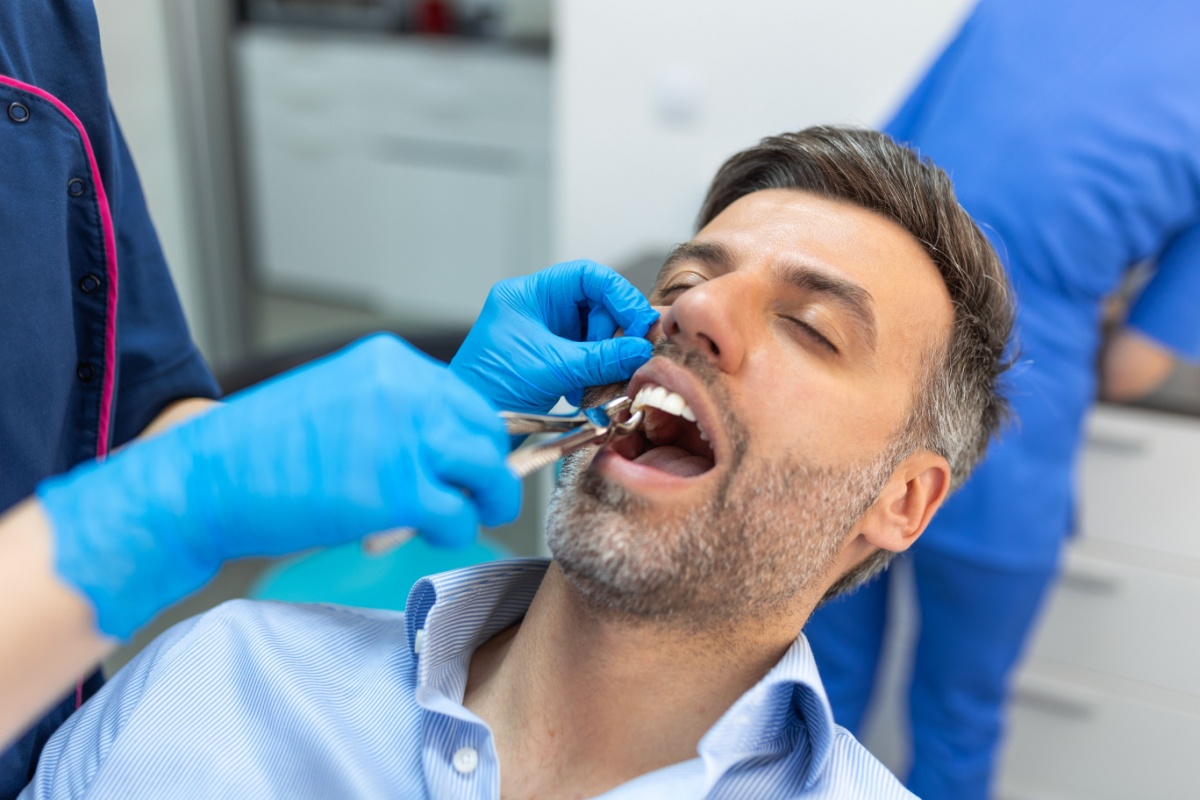
Broken, Chipped, or Cracked Tooth: How Fast Should You See a Dentist?

It happens in the blink of an eye. You are enjoying a meal, playing a pickup game of basketball, or simply walking down the street when an unexpected accident occurs. A hard piece of food, a stray elbow, or an accidental fall can instantly leave you with a damaged tooth.

In the immediate aftermath, you might look in the mirror and think the damage looks minor — perhaps just a tiny line or a small chip. However, even seemingly superficial dental injuries can worsen dramatically over time if left untreated.

Because the threat of more serious complications looms, it’s important to understand when a damaged tooth requires emergency dental care. Keep reading to find out more.

Understanding the Difference Between a Chipped, Cracked, and Broken Tooth

While these terms are often used interchangeably in everyday conversation, they mean very different things in the dental world. Recognizing what type of damage you have can help you understand the urgency of your situation.

Chipped Tooth

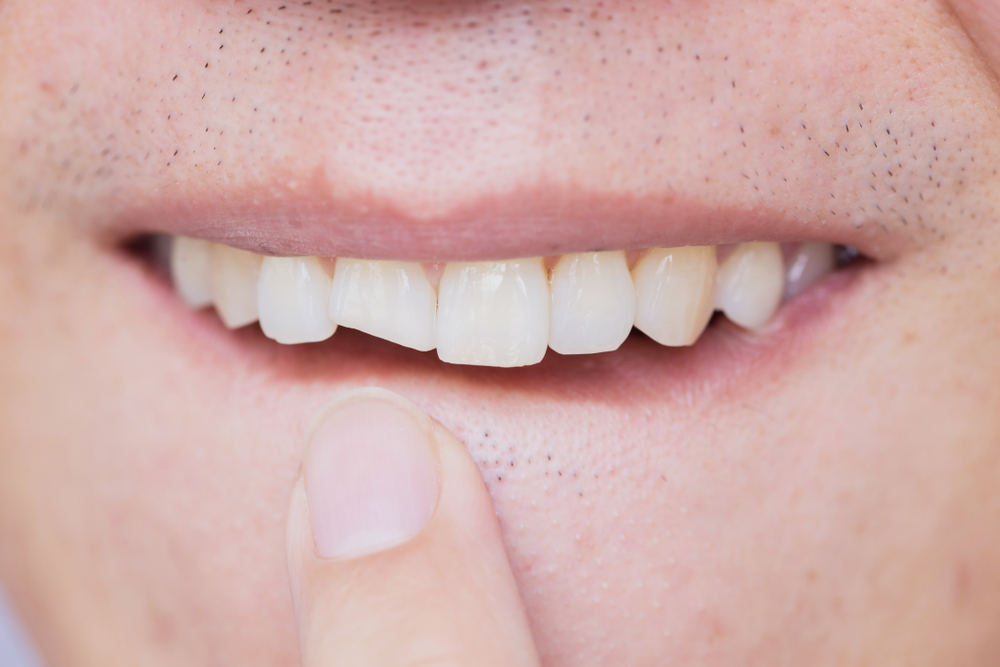
A chipped tooth occurs when a small portion of the tooth’s outer enamel breaks away. Chips often happen along the edge of a front tooth and may be caused by biting hard foods, accidents, or sports injuries. 

While some chips are purely cosmetic, others can expose deeper layers of the tooth and increase sensitivity.

Cracked Tooth

A cracked tooth involves a fracture that extends through part of the tooth structure. Cracks may be visible or hidden beneath the surface. Unlike a chip, a crack can continue to spread over time, especially when pressure is applied during chewing.

Symptoms of a cracked tooth may include:

  • Pain when biting or chewing
  • Sensitivity to hot, cold, or sweet foods
  • Intermittent discomfort that comes and goes
  • Difficulty pinpointing the exact source of pain

Broken Tooth

A broken tooth is generally more severe than a chip or crack. It occurs when a larger portion of the tooth breaks away or the tooth fractures significantly. Broken teeth often result from trauma, severe decay, or untreated cracks that have worsened.

In many cases, a broken tooth causes substantial pain and may expose the tooth’s inner layers, making immediate dental treatment necessary.

Why Even Small Tooth Damage Should Be Evaluated by a Dentist

It can be tempting to ignore a minor chip or small crack, particularly if it does not hurt. However, every type of tooth damage should be evaluated by a dental professional.

The outer enamel of your teeth serves as a protective barrier. Once that barrier is compromised, bacteria can gain access to the inner portions of the tooth. Even a tiny fracture can create an entry point for infection.

Some of the greatest risks of delaying treatment for a cracked, chipped, or broken tooth include:

  • Worsening Fractures: Small cracks often grow larger with everyday chewing and biting and may eventually split the tooth or cause a substantial break.
  • Tooth Infection: Bacteria can enter damaged teeth and reach the dental pulp, where nerves and blood vessels are located. This may lead to a painful infection that requires root canal therapy or more extensive treatment.
  • Tooth Loss: Untreated damage can weaken the tooth beyond repair. In severe cases, extraction may become the only option.
  • More Extensive Dental Procedures: Addressing a damaged tooth early often allows for simpler and less invasive treatment. Waiting too long, however, may result in more complex and costly procedures.

Signs That a Damaged Tooth Requires Emergency Dental Care

While all damaged teeth should be assessed by a dentist, certain symptoms indicate the need for emergency dental treatment.

  • Severe Tooth Pain: Intense or persistent pain may signal nerve involvement, infection, or a deep fracture that requires urgent attention.
  • Bleeding: If a broken tooth is accompanied by bleeding that does not stop or is coming from the damaged area, seek broken tooth treatment right away.
  • Exposed Nerves or Tooth Pulp: When the inner portion of the tooth becomes visible, patients often experience significant sensitivity and pain. This condition requires immediate treatment to prevent infection.
  • Swelling: Swelling around the gums, face, or jaw may indicate infection and should never be ignored.
  • Difficulty Chewing: If chewing causes significant discomfort or the damaged tooth feels unstable, prompt dental care is recommended.
  • Sharp Edges Causing Injury: Broken teeth can create jagged edges that irritate or cut the tongue, cheeks, and gums. You can restore comfort with broken or cracked tooth emergency care.

What to Do Immediately After Breaking, Chipping, or Cracking a Tooth

The actions you take immediately after a dental injury can make a significant difference in protecting your tooth before reaching a dental office.

  1. Rinse Your Mouth: Use warm water to gently rinse away debris and clean the affected area.
  2. Save Any Broken Pieces: If part of the tooth has broken off, carefully collect and store the fragment. In some cases, your dentist may be able to use it during treatment.
  3. Apply a Cold Compress: Placing a cold compress on the outside of the face can help reduce swelling and discomfort.
  4. Control Bleeding: Use clean gauze to apply gentle pressure if bleeding is present.
  5. Avoid Hard Foods: Stick to soft foods and avoid chewing on the injured side of your mouth.
  6. Protect Sharp Edges: Dental wax can temporarily cover sharp areas and prevent irritation to soft tissues.
  7. Contact a Dentist Immediately: Even if the damage appears minor, scheduling an evaluation with a cracked, broken, and chipped tooth dentist is the best way to protect your oral health.

Treatment Options for Damaged Teeth

The appropriate treatment depends on the extent of the damage and the overall health of the tooth.

Dental Bonding

For small chips and minor cosmetic damage, dental bonding may be recommended. A tooth-colored resin is applied and shaped to restore the tooth’s appearance and function.

Dental Veneers

Veneers are thin porcelain shells that cover the front surface of teeth. They are often used to repair visible chips and improve aesthetics.

Dental Crowns

When a tooth has sustained more significant damage, a crown may be placed over the remaining structure to restore strength and protect it from further fracture.

Root Canal Therapy

If damage extends to the tooth’s pulp or infection develops, root canal therapy may be necessary. This procedure removes infected tissue while preserving the natural tooth.

Tooth Replacement

In cases where a tooth cannot be saved, extraction may be required. Modern tooth replacement options, such as dental implants, bridges, and dentures, can restore function and appearance.

Get Emergency Dental Care for a Broken, Chipped, or Cracked Tooth in Philadelphia, PA

If you experience a dental injury in Philadelphia, PA, you can rely on Center City Emergency Dentist for fast, professional care. Our experienced team has been providing dental care for more than 65 years and proudly offers 24-hour emergency dental services for Center City residents.

Contact our friendly staff today and receive timely treatment, prevent further complications, and protect your smile for years to come.

Five Common Reasons for Tooth Extraction

Losing a permanent tooth is probably the last thing you want to think about. Yet, needing a tooth pulled happens more often than you might guess. The goal of modern dentistry is always to save a natural tooth whenever possible. But sometimes, a tooth extraction is the best step forward for your overall health and well-being. Knowing why this happens can help you take the right steps to keep your smile intact for life. Continue reading “Five Common Reasons for Tooth Extraction”

Dental Implants vs. Dentures: What’s Right for You?

When you’re dealing with tooth loss, two names always pop up in the world of dentistry: dental implants and dentures. These are major topics of conversation and debate for anyone looking to restore their smile and function. The choice between them isn’t always simple, and it’s worth taking a deep dive into what each one offers before making a decision that will affect your daily life and overall health.

Dental Implants Are a Solid Foundation for Your Smile That Becomes a Permanent Part of Your Jaw

Think of a dental implant like a brand-new tooth built from the root up. It’s a small, screw-like post, usually made of titanium, that is placed directly into your jaw during a minor surgery. Your body’s natural ability to heal then causes your bone to fuse around this post, creating an incredibly strong anchor.

Once that fusion is complete, a connector piece called an abutment is attached to the post. Finally, a custom-made crown that looks just like your natural tooth is secured to the abutment. This solution is ideal for patients with sufficient jawbone density and healthy gums who are looking for a permanent fix for one or more missing teeth caused by injury, disease, or tooth decay.

Dentures: A Classic and Reliable Path to a Fuller Set of Teeth Without a Surgical Procedure

Dentures are a more traditional and often quicker solution for tooth loss. These are custom-made, removable appliances that hold a set of prosthetic teeth. You might picture a full set that replaces all the teeth on your upper or lower jaw, but partial dentures are also very common. A partial denture can fill in gaps left by a few missing teeth and is often held in place with clasps that grip onto your remaining natural teeth, much like a dental bridge.

This option is great for people who have experienced widespread tooth loss and might not be candidates for implant surgery due to factors like significant bone loss in the jaw. They provide a full smile and improved chewing function without the need for invasive therapy or long healing times.

How Implants and Dentures Fit into Your Routine and Overall Oral Hygiene

Your daily routine will look quite different depending on your choice. With dental implants, you pretty much treat them like your natural teeth. You brush, you floss, and you visit your dentist for regular checkups. There are no food restrictions, and you don’t have to worry about anything slipping or moving. Because the implant stimulates your jaw, it helps maintain your bone structure and long-term health.

Dentures require a different kind of care. You’ll need to remove them daily for cleaning with special brushes and soaks. It’s also important to give your gums a rest. You might need to use an adhesive to keep them in place, and certain sticky or hard foods can be challenging. Good oral hygiene is still a priority to keep your gums healthy underneath the appliance.

Comparing the Comfort, Stability, and Functionality You Can Expect from Each Patient Option

The sensation of wearing an implant versus a denture is one of the biggest distinctions. A dental implant feels, for all intents and purposes, like your own tooth. It’s fused to your bone, so it’s completely stable. You can chew, talk, and laugh with total confidence because it’s not going anywhere. It won’t cover the roof of your mouth, so your sense of taste is not affected.

Dentures rest on top of your gums and can take some getting used to. A new patient may initially experience a sensation of fullness in their mouth. While modern dentures are made to fit snugly, they can sometimes shift slightly when you eat or speak. They rely on the shape of your gums and jaw for support, which can change over time, requiring adjustments for a better fit.

The Investment of Time and Money for Implants and Dentures

The path to getting implants is a longer one. It involves surgery and a healing period that can take a few months before the final crown is placed. The upfront cost is higher. However, with proper care, an implant can last a lifetime, making it a powerful long-term investment in your mouth’s structure and function.

Getting dentures is a much faster process. After the initial impressions are taken, your custom dentures can be ready in just a few weeks. The initial cost is significantly lower than that of implants, making them a more accessible option for many people. Keep in mind that dentures may need to be relined or replaced every 5 to 10 years as your jaw changes, resulting in ongoing costs associated with the process.

Your choice depends on what you want to deal with. Are you okay with a shorter-term solution to save a little? Or do you want a longer-term solution that you don’t really have to worry about? Talk to your dentist, discuss your options, and get some advice on what might work for you.

CCED Is Here to Help You With Your Dentistry Needs in Center City, Philadelphia

So, what’s the verdict? The best choice really depends on your personal health, budget, and lifestyle goals.

Dental implants offer a permanent, stable, and natural-feeling solution for tooth loss, while dentures provide a faster, non-surgical, and more affordable path to a complete smile.

While implants and dentures are important choices, the biggest choice doesn’t always involve these options. The biggest choice is often knowing who to go to for guidance and care. CCED proudly provides dental implants, dentures, and a range of other dental care solutions to Center City Philadelphia residents and those in the surrounding communities. Let us help you find the right solutions for your missing teeth!

Make your appointment today!

How Periodontal Disease Affects Your Overall Health

Your gums play a big role in your overall health — far more than most people realize. Taking good care of them should be at the top of your priority list. When you skip brushing, forget to floss, or miss dental appointments, you’re setting yourself up for periodontal disease. This condition can be prevented with proper oral hygiene habits and regular dental visits. To truly protect yourself, you need to know exactly how this disease can impact your health beyond just your mouth. Continue reading “How Periodontal Disease Affects Your Overall Health”

What to Expect During a Root Canal Procedure

Root canals have gotten a bad rap. If you’ve only heard about them on TV, you’re probably thinking they are a mess to deal with and come with a bunch of pain, annoyances, and just stress overall. However, reality can be far different from perception. We’re here to clarify everything you can expect from a root canal — and even answer some of your burning questions along the way. Continue reading “What to Expect During a Root Canal Procedure”