
Dental crowns and fillings are designed to restore and protect damaged teeth, helping patients maintain healthy smiles for years. However, like any dental restoration work, crowns and fillings do not last forever.
In fact, crowns and fillings can sometimes fall out while eating, brushing, flossing, or doing everyday activities. When it happens, it can leave you wondering what to do next. Is it something that can wait until your next dental appointment, or does it require immediate care? The answer depends on several factors, including your symptoms and the condition of the affected tooth.
Understanding the potential risks associated with a lost dental crown or filling can help you make informed decisions about your oral health. Below, we’ll explain why crowns and fillings may come loose and why seeking prompt treatment is often the best way to protect your smile.
The Purpose of Dental Crowns and Fillings and Why They May Fall Out
Both crowns and fillings are restorative dental treatments designed to repair teeth that have been damaged by decay, injury, or wear.
- A dental filling is used to restore a tooth after a cavity has been removed. The filling seals the damaged area and helps prevent bacteria from entering the tooth. Fillings are commonly made from composite resin, amalgam, porcelain, or other durable materials.
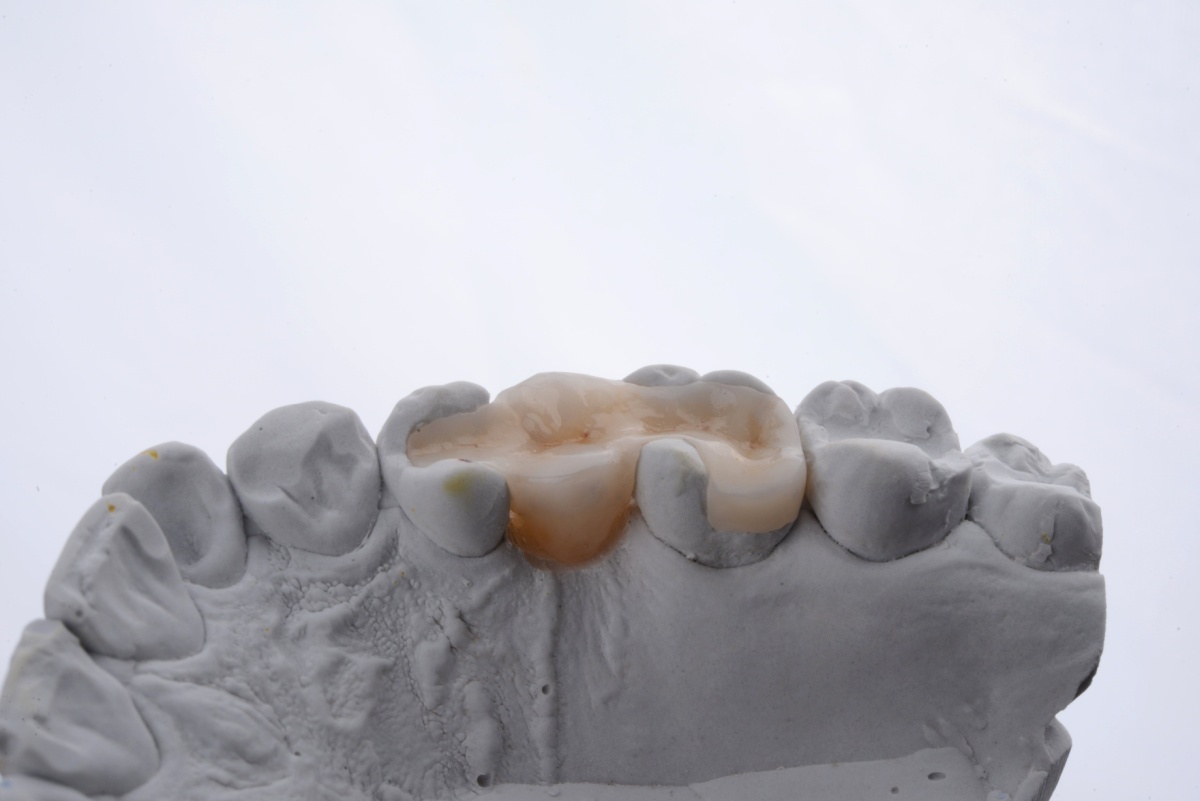
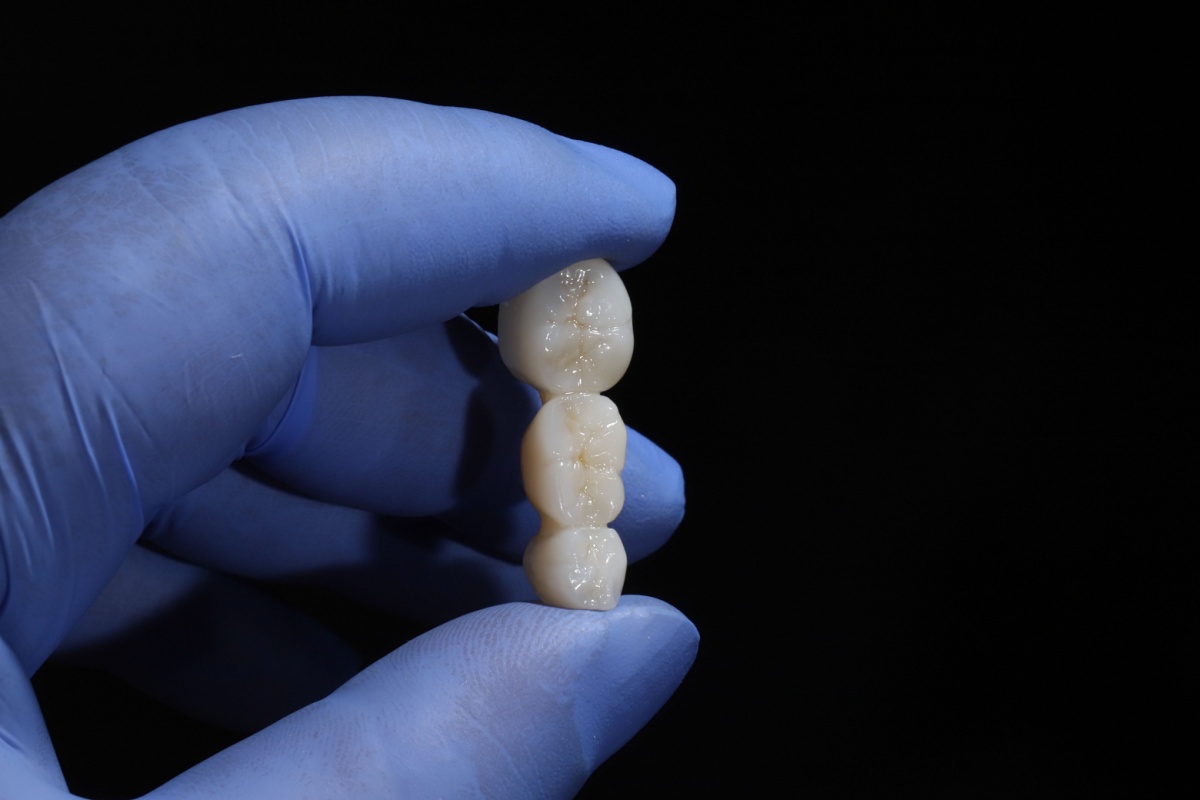
- A dental crown, on the other hand, is a custom-made cap that covers the entire visible portion of a tooth. Crowns are often recommended when a tooth is severely weakened, cracked, or has undergone root canal treatment. They provide strength, protection, and a natural appearance.
While crowns and fillings are designed to be durable, they are not permanent. Over time, normal wear and tear can weaken the bond between the restoration and the tooth.
Common reasons a crown or filling may become loose or fall out include:
- Age and natural deterioration of the restoration
- Tooth decay developing underneath the crown or filling
- Trauma or injury to the mouth
- Grinding or clenching the teeth
- Chewing hard or sticky foods
- Poor oral hygiene that weakens the underlying tooth structure
- Improper fit or cement failure
Is Losing a Crown or Filling Considered a Dental Emergency?
The loss of a crown or filling does not always qualify as a dental emergency, but it should never be ignored.
Missing Filling or Lost Crown: What to Do
In some cases, patients experience little to no discomfort after a restoration falls out. If the tooth is not painful and there are no signs of infection or injury, you may be able to schedule an appointment within a few days. However, the exposed tooth remains at risk for additional damage, so do not delay dental care too long.
Please note that there are also situations when a lost crown or filling should be treated as a true dental emergency. If the exposed tooth causes significant pain, sensitivity, swelling, or bleeding, immediate dental treatment may be necessary to prevent further complications.
Warning Signs That Urgent Dental Treatment Is Needed
Certain symptoms indicate that losing a crown or filling requires immediate attention from an emergency dentist. These signs include:
- Severe Tooth Pain: If the exposed tooth contains sensitive nerve tissue or has become damaged, you may experience sharp, throbbing, or persistent discomfort. This pain may interfere with eating, drinking, sleeping, or daily activities and should be evaluated right away.
- Increased Sensitivity: It is normal to experience some sensitivity when a crown or filling falls out. However, extreme sensitivity to hot foods, cold drinks, sweets, or even air may indicate that the inner layers of the tooth are exposed.
- Swelling Around the Tooth or Gums: Swelling is often a warning sign that an infection may be developing. If the gums surrounding the affected tooth become swollen, tender, or red, you should seek immediate dental care.
- Bleeding: Bleeding around the tooth after losing a crown or filling may signal damage to the gums or tooth structure.
- Signs of Infection: If you experience persistent throbbing pain, swelling in the gums, jaw, or face, pus or drainage around the tooth, a foul taste or odor in your mouth, or a fever, you may have a dental infection. Seek emergency dental care right away.
Treatment Options to Restore and Protect the Tooth
The appropriate treatment after losing a dental crown or filling will depend on the condition of the tooth and the type of restoration that was lost.
If the crown remains intact and the tooth underneath is healthy, your dentist may be able to recement the existing crown. If the crown is damaged, a new custom crown may be recommended.
For lost fillings, the affected area can often be cleaned and restored with a new filling material. Composite fillings are commonly used because they blend naturally with surrounding teeth.
If decay or damage has progressed significantly, additional treatments may be necessary, including:
- Replacement crowns
- Larger fillings or onlays
- Root canal therapy
- Crown-supported restorations
- Tooth extraction in severe cases
Your dentist will evaluate the tooth, discuss your options, and recommend the best treatment to restore both function and appearance.
Trust Center City Emergency Dentist for Prompt Care
If a crown or filling falls out, don’t wait to seek treatment. Even if you are not experiencing severe pain, prompt dental care can help prevent additional damage, infection, and more extensive procedures down the road.
Patients throughout Philadelphia, PA, can turn to Center City Emergency Dentist for fast, reliable treatment for a lost dental crown or filling. Our practice has proudly served patients for more than 65 years, providing compassionate care and effective solutions for urgent dental problems.
Contact our team today, and we will evaluate the situation, restore your smile, and help prevent further complications so you can get back to living comfortably and confidently.