It happens in the blink of an eye. You are enjoying a meal, playing a pickup game of basketball, or simply walking down the street when an unexpected accident occurs. A hard piece of food, a stray elbow, or an accidental fall can instantly leave you with a damaged tooth.
In the immediate aftermath, you might look in the mirror and think the damage looks minor — perhaps just a tiny line or a small chip. However, even seemingly superficial dental injuries can worsen dramatically over time if left untreated.
Because the threat of more serious complications looms, it’s important to understand when a damaged tooth requires emergency dental care. Keep reading to find out more.
Understanding the Difference Between a Chipped, Cracked, and Broken Tooth
While these terms are often used interchangeably in everyday conversation, they mean very different things in the dental world. Recognizing what type of damage you have can help you understand the urgency of your situation.
Chipped Tooth
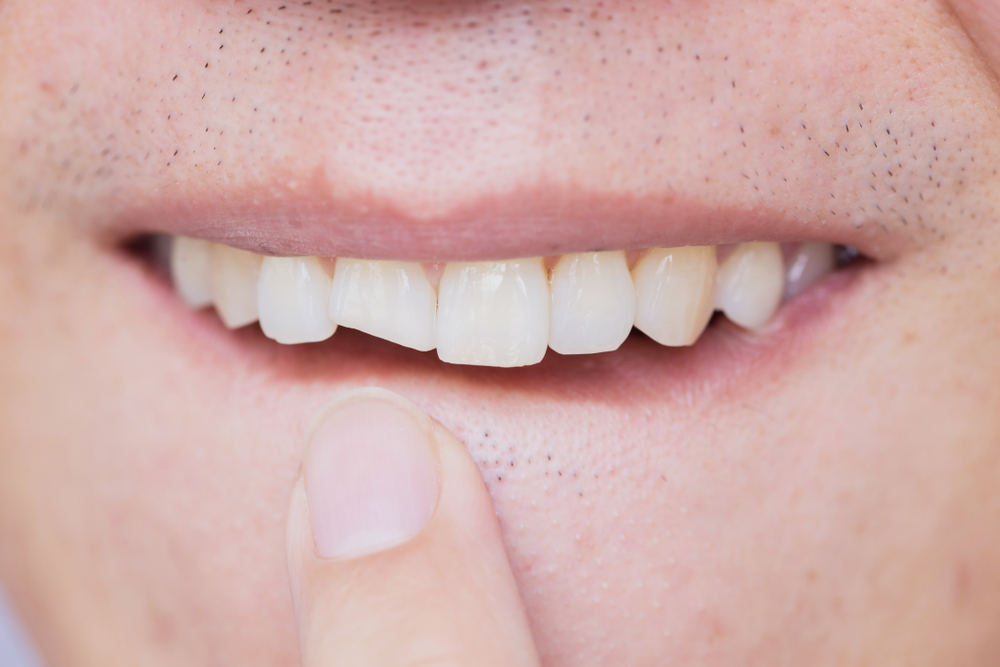
A chipped tooth occurs when a small portion of the tooth’s outer enamel breaks away. Chips often happen along the edge of a front tooth and may be caused by biting hard foods, accidents, or sports injuries.
While some chips are purely cosmetic, others can expose deeper layers of the tooth and increase sensitivity.
Cracked Tooth
A cracked tooth involves a fracture that extends through part of the tooth structure. Cracks may be visible or hidden beneath the surface. Unlike a chip, a crack can continue to spread over time, especially when pressure is applied during chewing.
Symptoms of a cracked tooth may include:
- Pain when biting or chewing
- Sensitivity to hot, cold, or sweet foods
- Intermittent discomfort that comes and goes
- Difficulty pinpointing the exact source of pain
Broken Tooth
A broken tooth is generally more severe than a chip or crack. It occurs when a larger portion of the tooth breaks away or the tooth fractures significantly. Broken teeth often result from trauma, severe decay, or untreated cracks that have worsened.
In many cases, a broken tooth causes substantial pain and may expose the tooth’s inner layers, making immediate dental treatment necessary.
Why Even Small Tooth Damage Should Be Evaluated by a Dentist
It can be tempting to ignore a minor chip or small crack, particularly if it does not hurt. However, every type of tooth damage should be evaluated by a dental professional.
The outer enamel of your teeth serves as a protective barrier. Once that barrier is compromised, bacteria can gain access to the inner portions of the tooth. Even a tiny fracture can create an entry point for infection.
Some of the greatest risks of delaying treatment for a cracked, chipped, or broken tooth include:
- Worsening Fractures: Small cracks often grow larger with everyday chewing and biting and may eventually split the tooth or cause a substantial break.
- Tooth Infection: Bacteria can enter damaged teeth and reach the dental pulp, where nerves and blood vessels are located. This may lead to a painful infection that requires root canal therapy or more extensive treatment.
- Tooth Loss: Untreated damage can weaken the tooth beyond repair. In severe cases, extraction may become the only option.
- More Extensive Dental Procedures: Addressing a damaged tooth early often allows for simpler and less invasive treatment. Waiting too long, however, may result in more complex and costly procedures.
Signs That a Damaged Tooth Requires Emergency Dental Care
While all damaged teeth should be assessed by a dentist, certain symptoms indicate the need for emergency dental treatment.
- Severe Tooth Pain: Intense or persistent pain may signal nerve involvement, infection, or a deep fracture that requires urgent attention.
- Bleeding: If a broken tooth is accompanied by bleeding that does not stop or is coming from the damaged area, seek broken tooth treatment right away.
- Exposed Nerves or Tooth Pulp: When the inner portion of the tooth becomes visible, patients often experience significant sensitivity and pain. This condition requires immediate treatment to prevent infection.
- Swelling: Swelling around the gums, face, or jaw may indicate infection and should never be ignored.
- Difficulty Chewing: If chewing causes significant discomfort or the damaged tooth feels unstable, prompt dental care is recommended.
- Sharp Edges Causing Injury: Broken teeth can create jagged edges that irritate or cut the tongue, cheeks, and gums. You can restore comfort with broken or cracked tooth emergency care.
What to Do Immediately After Breaking, Chipping, or Cracking a Tooth
The actions you take immediately after a dental injury can make a significant difference in protecting your tooth before reaching a dental office.
- Rinse Your Mouth: Use warm water to gently rinse away debris and clean the affected area.
- Save Any Broken Pieces: If part of the tooth has broken off, carefully collect and store the fragment. In some cases, your dentist may be able to use it during treatment.
- Apply a Cold Compress: Placing a cold compress on the outside of the face can help reduce swelling and discomfort.
- Control Bleeding: Use clean gauze to apply gentle pressure if bleeding is present.
- Avoid Hard Foods: Stick to soft foods and avoid chewing on the injured side of your mouth.
- Protect Sharp Edges: Dental wax can temporarily cover sharp areas and prevent irritation to soft tissues.
- Contact a Dentist Immediately: Even if the damage appears minor, scheduling an evaluation with a cracked, broken, and chipped tooth dentist is the best way to protect your oral health.
Treatment Options for Damaged Teeth
The appropriate treatment depends on the extent of the damage and the overall health of the tooth.
Dental Bonding
For small chips and minor cosmetic damage, dental bonding may be recommended. A tooth-colored resin is applied and shaped to restore the tooth’s appearance and function.
Dental Veneers
Veneers are thin porcelain shells that cover the front surface of teeth. They are often used to repair visible chips and improve aesthetics.
Dental Crowns
When a tooth has sustained more significant damage, a crown may be placed over the remaining structure to restore strength and protect it from further fracture.
Root Canal Therapy
If damage extends to the tooth’s pulp or infection develops, root canal therapy may be necessary. This procedure removes infected tissue while preserving the natural tooth.
Tooth Replacement
In cases where a tooth cannot be saved, extraction may be required. Modern tooth replacement options, such as dental implants, bridges, and dentures, can restore function and appearance.
Get Emergency Dental Care for a Broken, Chipped, or Cracked Tooth in Philadelphia, PA
If you experience a dental injury in Philadelphia, PA, you can rely on Center City Emergency Dentist for fast, professional care. Our experienced team has been providing dental care for more than 65 years and proudly offers 24-hour emergency dental services for Center City residents.
Contact our friendly staff today and receive timely treatment, prevent further complications, and protect your smile for years to come.