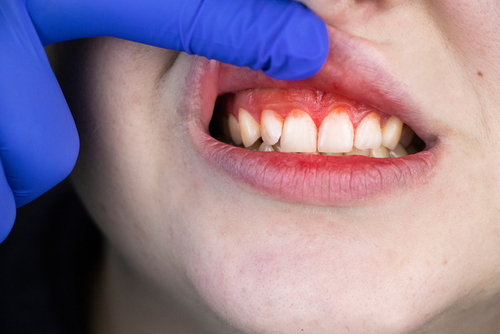
Have you noticed your gums become more soft and tender than usual? Are they painful to touch and sometimes bleed when brushing your teeth? These are both symptoms of gingivitis, a common oral disease that affects many. When left untreated, gingivitis can cause several problems that threaten your oral health, such as tooth loss. Thankfully, preventing and treating gingivitis is possible. To learn more, here’s what it is, what can cause it, and the treatments for it.
Author: admin
The Role of Biofilm in Oral Health
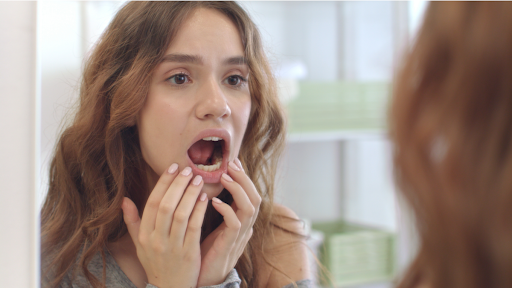
The mouth is a critical part of the human body. Because of how important your teeth, tongue, and other features are for your health, taking good care of them and the organisms that live there is important.
While the thought of living organisms making your mouth their home may sound unusual and unsanitary, it’s completely normal. However, despite the fact that every human has them, it doesn’t mean they won’t cause any problems. This collection of organisms, known as the biofilm, is incredibly influential to your oral health. Not paying attention to the biofilm in your mouth can cause numerous outcomes that can harm your teeth. For more information, here is an overview of the effects of biofilm on oral health, from what the biofilm is to how it can be maintained.
The Dangers of Grinding Your Teeth
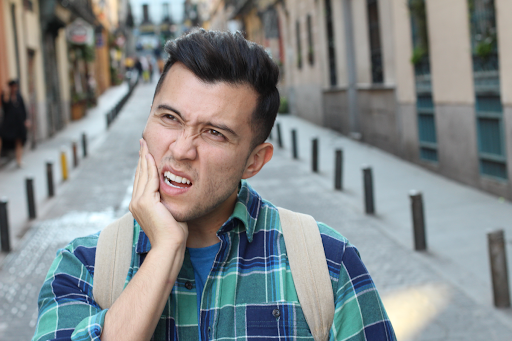
If you commonly experience headaches and pain in your jaw after getting a good night’s rest, you might be a teeth grinder during your sleep. Bruxism is a disorder that affects 8% of the population and poses a significant threat to the long-term health of your teeth.
You don’t want to know that all those precious dental visits went to waste, so it’s good to learn about the effects of grinding your teeth and how important it is to avoid the dangers that may arise if you don’t stop grinding your teeth.
Why Do We Grind Our Teeth?
Bruxism can be a stress-related symptom or a side effect of medications, and every individual’s diagnosis depends on multiple factors. Each patient should consider the different reasons for teeth grinding and discuss which cause may apply to them with their dentist.
Stress and Anxiety
Clenching your muscles is a common human reaction when feeling stressed, and unfortunately for our oral health, clenching and grinding our teeth is another side effect. Grinding or clenching may be a response to daytime stressors like work, family, and finances, so consider how stress and anxiety impact you.
Medications
Conditions like depression and anxiety might force you to take medications that can leave you grinding or clenching your teeth. Amphetamines and antidepressants are known for causing nighttime grinding, so read up on the medicines you take for a clearer understanding of what could be causing your bruxism.
Abnormal Bite
Patients with abnormal bites commonly suffer from the effects of grinding teeth. If your upper and lower teeth don’t perfectly blend, you might promote teeth grinding and excessive clenching that damages the teeth and can lead to sleep bruxism.
Sleep Apnea
Sleep disorders like sleep apnea can lead to grinding teeth and clenching. About a quarter of all people with sleep apnea suffer from sleep bruxism. When the brain picks up that your airways and upper respiratory systems are stressed or disrupted, it sends signals to compress the throat, thereby promoting teeth grinding and clenching.
Signs and Symptoms of Bruxism
While you may not be sure if you’re grinding your teeth at night or not, there are a few ways you can identify if teeth grinding is an issue for you. A few signs and symptoms of bruxism include:
- Jaw pain
- Difficulty sleeping
- Sore jaw muscles
- Pain in teeth
- Broken teeth
- TMJ
Dangers of Teeth Grinding
There are many dangers to grinding teeth, including the increased risk of tooth damage and additional medical disorders that require more strenuous treatment methods. Teeth grinding wears away at your enamel, and you’ll eventually need crowns and dentures to address your dental problems.
TMJ is a disorder characterized by a popping or clicking noise in your jaw that is common due to wear and tear and excessive stress on the jaw. TMJ can be extremely painful, and its symptoms may be worsened by bruxism, which could lead to emergency oral surgery or other more painful and expensive treatment methods.
How Can I Prevent Nighttime Teeth Grinding?
Preventing nighttime teeth grinding can be taken with a few preventative measures and medications. Mouthguards can help protect your teeth from the friction from grinding teeth, and taking muscle relaxers can counter the compression of your muscles. Sleeping in a comfortable and cool room on your side also helps to reduce stress and avoid promoting excessive teeth grinding.
The best way to prevent nighttime teeth grinding is to get in touch with your local dentist to address and treat your symptoms. Reach out to Center City Emergency Dentist if you feel you have any symptoms of bruxism or if you’re in need of a dental implant dentist in Philadelphia.
Tips on Selecting the Best Toothpaste for You
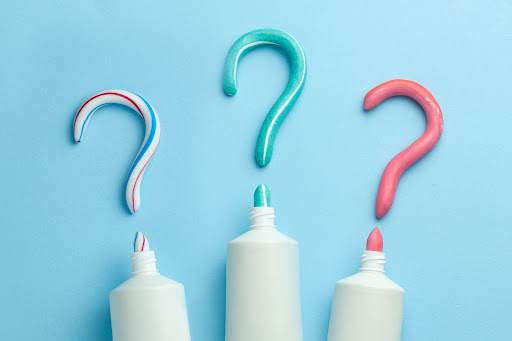
Regularly brushing your teeth is vital for your dental health. However, there are so many different brands and types of toothpaste available on the market it can be challenging to know which one is right for you. To help make selecting toothpaste easier, let’s take a look at the main kinds and how they benefit your teeth.
Fluoridated Toothpaste
Many consider fluoride as the most important toothpaste ingredient. It has been proven to decrease tooth decay and reduce the prevalence of cavities since its discovery. This naturally-occurring mineral has been so beneficial for oral health that governments have added it to water supplies throughout several parts of the world, including the United States.
The reason why fluoride is so vital for proper oral hygiene is that it can help prevent the deterioration of tooth enamel. Enamel is calcified tissue that acts as a protective cover for teeth. Enamel is incapable of repairing damage on its own because it does not contain living cells. Fluoride helps combat decay by making enamel more resistant to acids and other substances that negatively affect tooth structure.
Tartar Control Toothpaste
If you’re choosing toothpaste for the sake of oral hygiene, consider purchasing toothpaste designed to control tartar. This variety of toothpaste utilizes chemical compounds or antibiotics to prevent the buildup of tartar, which is a hardened layer of bacteria called plaque. Some kinds of toothpaste also limit the growth of the hard deposits on the crowns and roots, known as calculus.
Whitening Toothpaste
Not all toothpaste whiten teeth; the varieties made to do so are specific teeth-whitening toothpastes. The abrasive particles added to these pastes help make teeth brighter by binding to the stains on your teeth and then pulling them off as you brush and rinse. While teeth-whitening toothpaste does not contain any dangerous additives like bleach, the chemicals responsible for removing stains, such as calcium peroxide and carbamide peroxide, can be harmful after long-term use or for those with sensitive teeth.
Toothpaste for Tooth Sensitivity
Individuals who have sensitive teeth should take that into consideration when choosing toothpaste. Toothpastes for tooth sensitivity can help prevent discomfort from acidic, cold, or sweet foods. Through chemicals like potassium nitrate or strontium chloride, tooth-sensitive toothpaste shields the nerve pathways of teeth.
Choosing a Toothpaste
Selecting the right toothpaste boils down to your personal preferences and needs, such as whether you have sensitive teeth or want to brighten your smile. While asking your dentist which types of toothpaste are best for you, there are some varieties you should steer clear of.
Those that do not have the seal of approval from the American Dental Association, or ADA, may have higher levels of chemicals that can harm your teeth. Additionally, be wary of Triclosan in tartar-control toothpaste; this antibiotic can also kill the good bacteria that help with digestion.
If you’re looking to receive dental implants in Philadelphia, PA, reach out to Center City Emergency Dentist. Our orthodontists located in Philadelphia can help correct crooked teeth, overbites, underbites, and other tooth misalignments. Call today and schedule an appointment!
The Effects of Vaping on Teeth
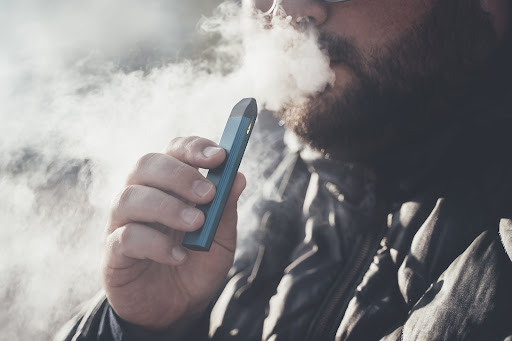
While high school students might believe that vaping devices are a safe and trendy alternative to cigarettes, the effects of vaping can also cause health problems. Some might be skeptical of how vaping can damage teeth, but it can damage far more. Although there may be lower nicotine levels in vaping liquids, the other chemicals present can create several other problems that traditional tobacco products can’t.
Here are the various ways that the effects of vaping can damage a vaper’s mouth.
Vaping Isn’t Free From Nicotine
The effects of nicotine are notorious for restricting blood flow to the gums, and while vaping liquid has less overall nicotine, it is still enough to cause significant harm. Decreased blood flow in the gums can cause a myriad of issues, such as reducing their ability to stave off infections. Additionally, lack of oxygen flow to the gums can cause them to recess. This detriment can increase the sensitivity of the teeth, which in turn increases the chances of problems like cavities. However, this is just one of the forms of damage caused by vaping.
Vape Contains Dangerous Chemicals
Propylene Glycol is a core ingredient in vaping liquid that’s absent in other tobacco-based products, and it can cause various problems for one’s mouth. After a vaper ingests Propylene Glycol, it breaks down into an acid that is toxic to soft tissue and tooth enamel. Given that cigarettes lack this chemical, this is one such way that the tooth damage caused by vaping is worse than other tobacco products.
Additionally, Propylene Glycol can reduce the amount of saliva in a vaper’s mouth and cause dry mouth. Teenagers usually have higher saliva quantities than older adults but have begun to develop dry-mouth-related diseases, such as periodontal disease, because of vaping. Further, dry mouth can also cause plaque buildup, tooth decay, and other tooth damages caused by vaping.
Another dangerous chemical found in vape liquid is vegetable glycerin, which is used as a sweetener. Even if the sweetener tastes good to vapers, their mouths won’t appreciate the damaging effects it has. After inhaling a vape, the sweetener can help bacteria stick to their teeth and increase the chances of an infection.
Vaping Can Cause Tremendous Damage to More Than Your Teeth
When all of the aforementioned chemicals combine in a vaper’s mouth, the results can be disastrous. The inflammation caused by the nicotine exposure, increased bacteria, and dry mouth all work together to make an individual’s mouth more susceptible to gum disease, which hurts more than just their teeth. Other potential tooth damages caused by vaping include oral infections and oral cancer, which can be deadly if not addressed early on in their progression.
Additionally, the lithium batteries in certain e-cigarettes have exploded in the past. Though the likelihood of such an event occurring is low, vape explosions can cause considerable damage in a victim’s mouth if they were vaping when the battery exploded.
If you need the assistance of an emergency dental surgeon or same-day dental implants in Philadelphia, contact Center City Emergency Dentist today!
Can COVID-19 Affect Your Teeth?
As you schedule an appointment for your dental implants in Philadelphia, you might be wondering if the coronavirus influences the health of your teeth. After all, the dangerous virus has been shown to cause tremendous damage to other parts of a victim’s body, such as their lungs. However, there is no definitive evidence of the effects of COVID-19 on teeth, as we are still learning more about COVID-19 every day. Many who have contracted the virus have reported damage to their oral health, and even those afflicted who no longer have the virus have noted changes to their oral health. Here’s a look at several ways the virus can incur damage to oral health after the coronavirus.
COVID-19 Might Impact Blood Flow in the Mouth
One theorized connection between COVID-19 and teeth is the virus’s negative impact on the body’s blood flow. Healthy blood circulation is an essential bodily function. It allows for red blood cells to deliver oxygen throughout the body, white blood cells to conquer diseases, nutrients to flow to vital locations, and more. However, the coronavirus has proven to disrupt blood circulation throughout the infected body, creating clots and unhealthy flows in their system. This detriment can cause a wide variety of problems in one’s oral health, as the teeth and gums may not receive the proper amount of blood they need to stay healthy. Additionally, the jaw contains many blood vessels that can also be hit hard by the lack of necessary blood that the virus creates. The pain and damage caused by the hurt blood vessels may also linger and create long-term problems long after a patient’s initial infection.
ACE2 Receptors in Teeth May Be Susceptible to COVID-19
Another possible connection between COVID-19 and teeth is the presence of ACE2 receptors. These special proteins are located in several areas throughout the body, including the mouth and lungs, and assist with vascular activities. While they’re usually a helpful protein, the coronavirus can take advantage of them to wreak havoc throughout the body. The virus can hook onto the ACE2 receptors in the mouth, duplicate itself, and cause serious infections. Because many of these receptors are located in the mouth, it may be susceptible to the virus. Some scientists speculate that disruptions in the healthy functioning of ACE2 receptors can lead to a cytokine storm, where the human body’s immune system erroneously attacks itself.
Additionally, those who have poor dental hygiene are known to have more ACE2 receptors in their mouths. It has been shown the coronavirus may latch onto tooth cavities, so receiving proper dental care is one way to protect oral health after an infection.
The Coronavirus May Harm Teeth in a Variety of Ways
One’s oral health after coronavirus can be hampered in several ways. There have been many reports of COVID-19 and teeth damage, so some believe the virus can cause poor dental health. Here are three of the potential ways that the virus might hurt the teeth of an affected person.
Potential Damage to Tooth Enamel
Tooth enamel can potentially weaken from COVID-19. The enamel of a tooth is the protective outer layer that shields a tooth’s insides from things like extreme temperatures and regular use while eating. Some people infected by the coronavirus have reported enamel loss, which increases the sensitivity of the inner teeth and can make chewing discomforting, though whether or not there is a direct link between the virus and damaged enamel has yet to be determined.
Possible Tooth Chipping
Since the start of the COVID-19 pandemic, dentists have found a notable increase in tooth chipping and grinding. While these traits have been found in those suffering from an infection, the rise in chipping might be caused by anxiety brought about by the pandemic.
Chance of Tooth Loss
One of the most impactful dental issues the coronavirus can possibly create is teeth falling out. Because of the obstructed blood flow, teeth may no longer receive the nutrients they need to function and become loose. Numerous COVID-19 victims reported one or more of their adult teeth falling out, with some reporting that there was no blood present when it fell; potential evidence of poor blood circulation.
COVID-19 May Also Hurt Gums
Another potential influence of oral health after coronavirus is poor gum quality. Some people infected by the virus reported their gums were weakened, possibly because of the lack of proper blood flow. It’s also possible for Gingivitis, or gum inflammation, to occur because of COVID-19. However, it has not been observed in many patients and may be symptomatic of poor dental hygiene.
If you’re seeking to receive or repair veneers in Philadelphia and the surrounding area, contact the Center City Emergency Dentists today for help!